
Southern Ethiopia
Omo Valley, Ethiopia
One of Southern Ethiopia's best-known travel regions — the communities along the Omo River, the weekly markets, and the long road south to reach them.
What is the Omo Valley?
The Omo Valley lies in Ethiopia's south-west, along the Omo River as it runs down towards Lake Turkana and the Kenyan border. It sits within the wider Southern Ethiopia region, and it is far from the northern historic route in every sense — a different landscape, different languages, and a different pace of travelling.
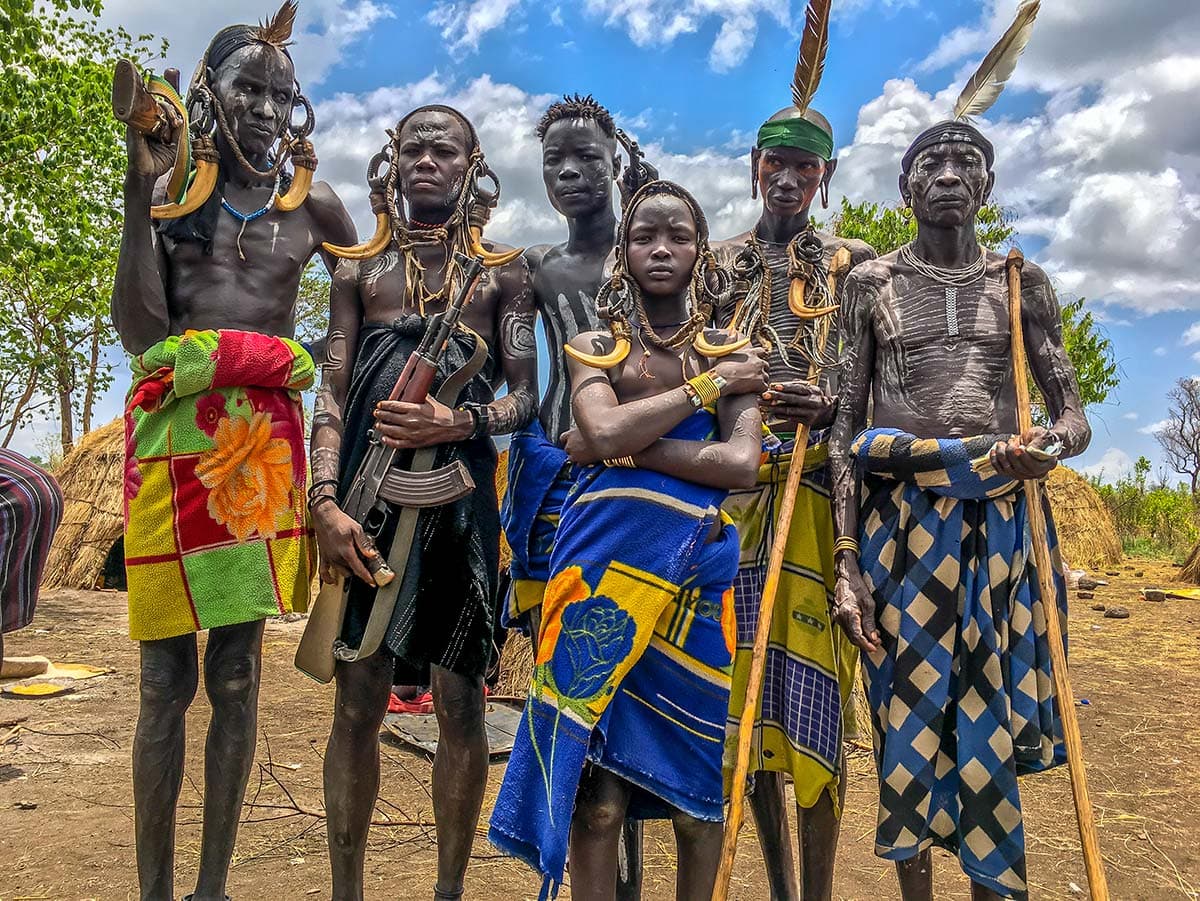
It is best known for the communities who live along the river and across the surrounding savanna, among them the Hamar, Mursi, Karo, Ari and Banna. These are working communities with their own economies, calendars and livelihoods, not an exhibit. What makes the valley worth the journey is the chance to spend unhurried time somewhere genuinely unlike anywhere else in Ethiopia.
Most travellers reach it as a dedicated leg of a longer trip rather than a day out — the distances are real and the roads are slow. Trips are usually shaped around the weekly market days, when people come in from the surrounding country to trade, because that is when the region is most itself.
A local guide matters more here than almost anywhere else in Ethiopia. Visits are arranged in advance rather than turned up to, expectations differ from one community to the next, and someone who knows both the languages and the etiquette is the difference between an awkward intrusion and a genuine encounter.
What a trip involves
Travelling in the Omo Valley
Market days
Markets rotate between towns on a weekly cycle, and they are when people travel in from the surrounding country to trade. Our itinerary is built around them rather than around them happening to fall on the right day.
Time with communities
Village visits are arranged ahead of time through people who know the community, not turned up to. What that looks like varies from place to place, and your guide will explain what to expect before you arrive.
River, savanna and park
The valley is dry savanna fed by the Omo River. Reaching some communities means crossing the river itself, and part of the route runs through Mago National Park.
Photography, with permission
The valley is heavily photographed, which is exactly why asking first matters. Norms around photography and payment differ between communities, and no is an answer worth respecting.
Who lives here
Communities of the Omo Valley
Several communities live along the river and across the surrounding country. Which of them a trip spends time with depends on the route, the season and what has been arranged in advance — nothing is guaranteed, and no visit happens without being agreed first.
- Hamar
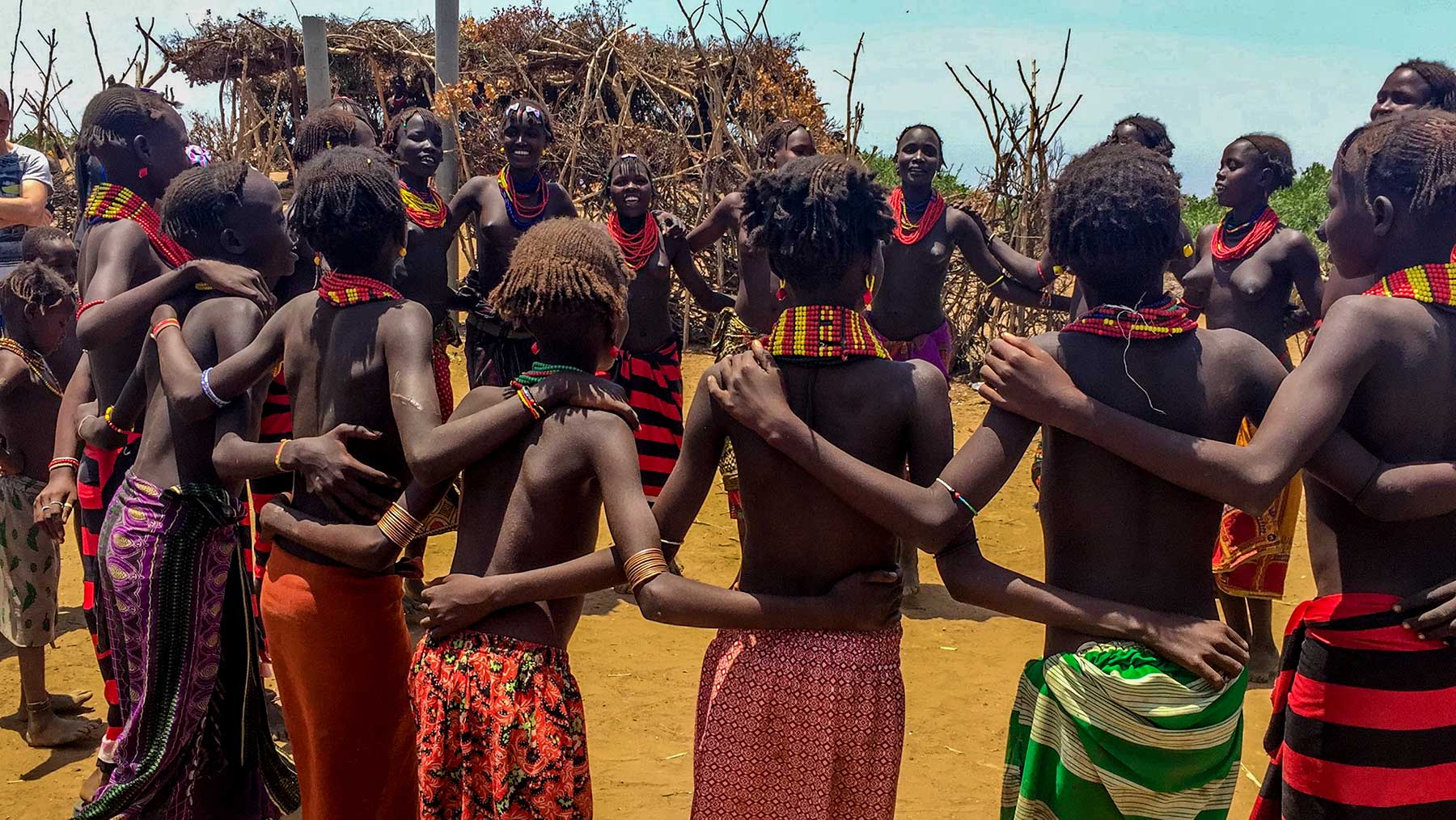
- Living in and around Turmi, in the valley's south. Hamar dress and beadwork are distinctive, and the community is associated with a cattle-leaping coming-of-age tradition — an event that happens on its own schedule, not a traveller's.
- Mursi
- Living in and around Mago National Park, north-east of the river. Mursi women are widely known for the clay plates worn in the lower lip, made from locally dug clay.
- Karo
- Ari
- Banna
We have kept these descriptions short on purpose. Where we do not have something accurate to say about a community, we would rather say nothing than fill the space.
Our itinerary
The Omo Valley Cultural Journey
Omo Valley Cultural Journey
7 days · starts in Addis Ababa
A week through south-western Ethiopia, built around the valley's market days.
Where the Omo Valley sits in Southern Ethiopia
The Omo Valley is one of Southern Ethiopia's best-known travel regions, in the far south-west of it. It is not the whole of the south.
Southern Ethiopia is the broader proposition — the Rift Valley lakes, the highlands, the terraced landscapes and towns that sit between Addis Ababa and the valley itself. Our Omo Valley itinerary travels through part of that wider region on its way south, which is one reason the two are so often planned together.
All of our current Ethiopia itineraries are on the tour packages page.
Planning
Common questions
- Where is the Omo Valley?
- In south-western Ethiopia, along the Omo River as it runs towards Lake Turkana and the Kenyan border. It is part of the wider Southern Ethiopia region.
- Is the Omo Valley part of Southern Ethiopia?
- Yes. The Omo Valley is an area within the wider Southern Ethiopia region, in its south-west corner. It is distinct enough — in landscape, cultures and how you travel there — that most people treat it as a destination in its own right rather than one stop on a Southern Ethiopia trip.
- Which communities might I meet in the Omo Valley?
- The valley is home to the Hamar, Mursi, Karo, Ari and Banna among others, and our Omo Valley Cultural Journey is built around unhurried time with several of them. Which visits are possible depends on the season, the market cycle and what has been arranged in advance.
- How long is the Ethiopian Vacations Omo Valley trip?
- The Omo Valley Cultural Journey runs to seven days, starting and ending in Addis Ababa. It can be reshaped around the time you actually have.
- Why is the itinerary planned around market days?
- Markets rotate between towns on a weekly cycle, and they are when people come in from the surrounding country. Building the route around them is the difference between seeing a village and seeing it on the day it is busiest.
- Is it appropriate to photograph people?
- Always ask first, through your guide, and accept no as an answer. Norms around photography and payment vary between communities, and your guide will explain what to expect before you arrive.
Plan your Omo Valley journey
Tell us roughly when you could travel and how long you have, and we will come back with a route and a price.